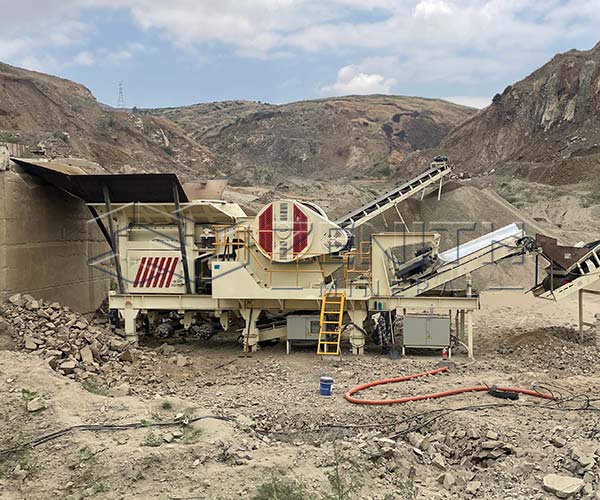
Ethiopia is experiencing rapid infrastructure development. Large-scale projects such as highways, railways, housing developments, dams, and industrial parks require enormous quantities of stone aggregates. These aggregates form the backbone of construction materials such as concrete, asphalt, and road base layers.
Aggregate crushing plants normally consist of several machines working together to reduce large rocks into usable sizes. Each crusher performs a specific stage of crushing.
Common machines used in Ethiopian aggregate projects include:
These machines are usually combined into a complete crushing plant, ensuring efficient production of aggregates of different sizes.
A stone aggregate production line typically follows several processing stages. Each stage transforms raw rock from the quarry into construction-ready aggregate.
Large stones from the quarry are transported by dump trucks.
A vibrating feeder delivers the materials evenly into the primary crusher.
A jaw crusher reduces large rocks into smaller pieces.
A cone crusher or impact crusher further reduces material size.
Vibrating screens separate aggregates into different sizes.
Additional crushers produce finer aggregates if required.
Finished aggregates are stored in stockpiles for transportation and use.
This multi-stage process ensures that aggregates meet the required size and quality standards for construction projects.
Using modern stone aggregate crusher machines provides numerous advantages for construction contractors and quarry operators in Ethiopia.
Modern crushers can process large volumes of rock quickly, supporting large infrastructure projects.
Advanced crushing technology ensures uniform particle size and shape.
Crushing materials near quarry sites eliminates the need to transport large raw stones.
Crushing plants can be designed for different capacities, from small quarry operations to large industrial plants.
Efficient machines reduce fuel consumption and maintenance requirements.
These advantages make aggregate crusher machines a crucial investment for large-scale construction and mining operations.
A quarry operator chose ZENITH’s compact K3 plant for space limits; it cut investment and power costs while ensuring stable production.
Client noted low failures and reliable East African service.
Over 150 similar plants operate regionally.
Tailored for hard rock near urban areas, featuring robust machines for consistent aggregates.
Semi-stationary setups thrive on poor roads.
Processes to 0-31.5mm sizes, supporting cement and construction booms.
These projects highlight reduced downtime and high yields.
Ethiopia’s mining expansion in aggregates and minerals spurs demand.
We have jaw crushers, impact crushers, cone crushers, sand makers and so on.
Mon - Sun, 0:00 - 24:00
24h Online Service
© Zenith. All Rights Reserved. Designed by


 WhatsAPP 24h online service


 24h Online Chat


