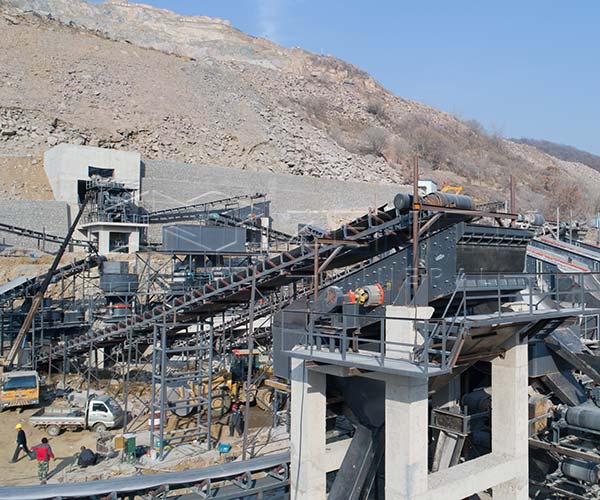
Ethiopia has significant potential for developing its mineral processing and construction materials industries. With growing demand for glass, construction materials, foundry sand, ceramics, and industrial minerals, silica sand processing presents an opportunity for investors and mining companies looking to establish profitable mineral processing operations.
However, building a silica sand processing plant requires more than simply crushing and screening raw materials. The appropriate production process depends on the silica content, particle size distribution, impurity levels, and intended application of the final product. Equipment selection, water availability, electricity supply, transportation infrastructure, and installation costs must also be carefully evaluated.
This guide explains how to establish a silica sand processing plant in Ethiopia, covering the essential equipment, process flow, investment costs, and practical considerations for selecting a suitable production line.
Silica sand, primarily composed of silicon dioxide (SiO₂), is an important industrial mineral used in numerous manufacturing and construction applications. Developing a local processing plant can create opportunities to supply domestic industries and explore regional export markets.
A silica sand processing plant typically combines feeding, washing, screening, classification, and mineral separation equipment. The exact configuration depends on the raw material and the required final product.
A vibrating feeder delivers raw silica sand or excavated material to the processing line at a controlled rate.
If the raw material contains large stones or substantial quantities of clay, additional screening or washing equipment may be required before the main processing stages.
Not every silica sand plant requires crushing. Deposits consisting of naturally occurring sand may need only washing, screening, and classification.
However, operations processing quartzite, quartz rock, or oversized silica-rich material may require primary and secondary crushing.
Crushing equipment should be selected according to the feed size, hardness, abrasiveness, and required product size. Excessive crushing can generate unnecessary fines and increase operating costs.
Washing is a critical stage when silica sand contains clay, silt, and surface contaminants.
Common equipment includes sand washing machines, log washers, and attrition scrubbers. Their suitability depends on the degree of contamination and the strength of the attachments between impurities and silica grains.
For deposits containing stubborn clay coatings, attrition scrubbing may be necessary. The washing process should also incorporate appropriate water recycling and wastewater treatment systems.
Vibrating screens separate silica sand into different size fractions. They can be installed after crushing, washing, or other processing stages, depending on the circuit design.
Screen openings should be selected according to customer specifications rather than relying on a standard configuration. Wet screening may be particularly useful when the material contains substantial fine contaminants.
Hydrocyclones use centrifugal forces to separate particles according to their settling behavior in a slurry.
In silica sand plants, they can help classify fine sand, manage slurries, and separate some unwanted fine particles from coarser material.
Magnetic separation can help reduce iron-bearing impurities when the unwanted minerals have suitable magnetic properties.
Depending on the mineral composition, a processing line may use wet high-intensity magnetic separators or other magnetic separation systems.
Magnetic separation cannot remove every form of iron contamination. Laboratory testing and pilot trials are recommended to determine whether the technology can achieve the required product specifications.
After washing and classification, silica sand often contains substantial quantities of water. Dewatering screens remove excess moisture before stockpiling, handling, or further processing.
Reduce the need for additional drying in some applications.Where very low moisture content is required, additional drying equipment may be necessary. The choice depends on customer requirements, local energy costs, and the intended transportation method.
The processing flow should be designed around the deposit characteristics and target product specifications. A simple sand deposit may require only washing and classification, while a hard-rock deposit may need a more extensive crushing and beneficiation circuit.
Raw Material Feeding → Crushing (If Required) → Washing and Scrubbing → Screening and Classification → Magnetic Separation (If Required) → Dewatering → Finished Product Storage
The main stages are explained below.
Raw material is delivered to a hopper and fed into the processing line at a controlled rate. Preliminary screening can remove unsuitable oversize material or coarse debris.
If the feed consists of quartz rock or quartzite, crushing reduces it to a suitable size for subsequent processing. Naturally occurring sand may bypass this stage entirely.
Water washing removes loose clay, silt, and surface contamination. Attrition scrubbing may be introduced when impurities adhere strongly to the silica grains.
Screens and hydrocyclones separate particles into the required size fractions. Oversize material may be returned for further processing, depending on the plant design.
Magnetic separation or other beneficiation methods may be applied when testing shows that specific impurities can be removed effectively.
Dewatering equipment reduces moisture, and the finished sand is transferred to designated stockpiles or storage facilities. Process water can be clarified and recycled through a suitable water-treatment circuit.
The cost of establishing a silica sand processing plant in Ethiopia varies considerably according to capacity, equipment configuration, raw material characteristics, and infrastructure requirements.
A small washing and screening plant may require a substantially lower investment than a fully integrated beneficiation facility with crushing, attrition scrubbing, magnetic separation, dewatering, and water treatment.
The following figures are preliminary planning estimates in US dollars, not verified quotations for the Ethiopian market.
| Plant Configuration | Illustrative Equipment Budget |
| Small washing and screening plant | $50,000–$200,000 |
| Medium washing and classification plant | $200,000–$600,000 |
| Integrated crushing and washing plant | $300,000–$1,000,000 |
| Advanced beneficiation plant | $800,000–$2,000,000+ |
These indicative ranges are not directly comparable because the included equipment and processing requirements may differ. They should not be treated as current supplier prices or complete installed-project budgets.
Equipment purchase is only one part of the total cost of operating a silica sand processing plant. Investors should evaluate ongoing production expenses before deciding whether a project is commercially viable.
Profitability depends on the saleable product yield, product specifications, selling price, transportation costs, and market demand. Investors should compare the expected revenue from each product size against the cost of producing and delivering it.
A feasibility study should also account for plant utilization, seasonal operating conditions, working capital, taxes, financing costs, and potential changes in market prices.
Establishing a silica sand processing plant in Ethiopia can create opportunities to supply construction materials and industrial mineral markets. However, the success of a project depends on matching the processing technology to the actual raw material and the specifications required by customers.
A practical approach begins with geological evaluation and laboratory testing, followed by process design, equipment selection, cost estimation, and site planning. Washing, screening, classification, and dewatering may be sufficient for some deposits, while more demanding applications can require magnetic separation and additional beneficiation technologies.
Before investing, compare complete supplier quotations, evaluate water and power availability, confirm regulatory requirements, and prepare a detailed feasibility study. With appropriate planning and a well-designed processing circuit, investors can improve product consistency, control operating expenses, and build a more sustainable silica sand production operation in Ethiopia.
The equipment budget may range from tens of thousands of dollars for a small washing and screening operation to more than $1 million for an integrated or advanced beneficiation plant. Actual project costs depend on capacity, material characteristics, infrastructure, logistics, and installation requirements.
Purity improvement may involve washing, attrition scrubbing, screening, magnetic separation, flotation, or other specialized treatment. The appropriate process depends on the type of impurities and their mineralogical characteristics. High-purity applications may require additional chemical treatment and rigorous testing.
Water recycling is strongly worth considering because it can reduce freshwater demand and wastewater discharge. A typical system may include settling tanks, thickeners, or other clarification equipment, depending on slurry characteristics and environmental requirements.
The project schedule depends on equipment manufacturing, shipping, site preparation, infrastructure construction, installation, and commissioning. A small plant may be completed faster than a complex beneficiation facility, but a reliable schedule should be established only after engineering and procurement details are confirmed.
We have jaw crushers, impact crushers, cone crushers, sand makers and so on.
Mon - Sun, 0:00 - 24:00
24h Online Service
© Zenith. All Rights Reserved. Designed by


 WhatsAPP 24h online service


 24h Online Chat


